
Archive & Research
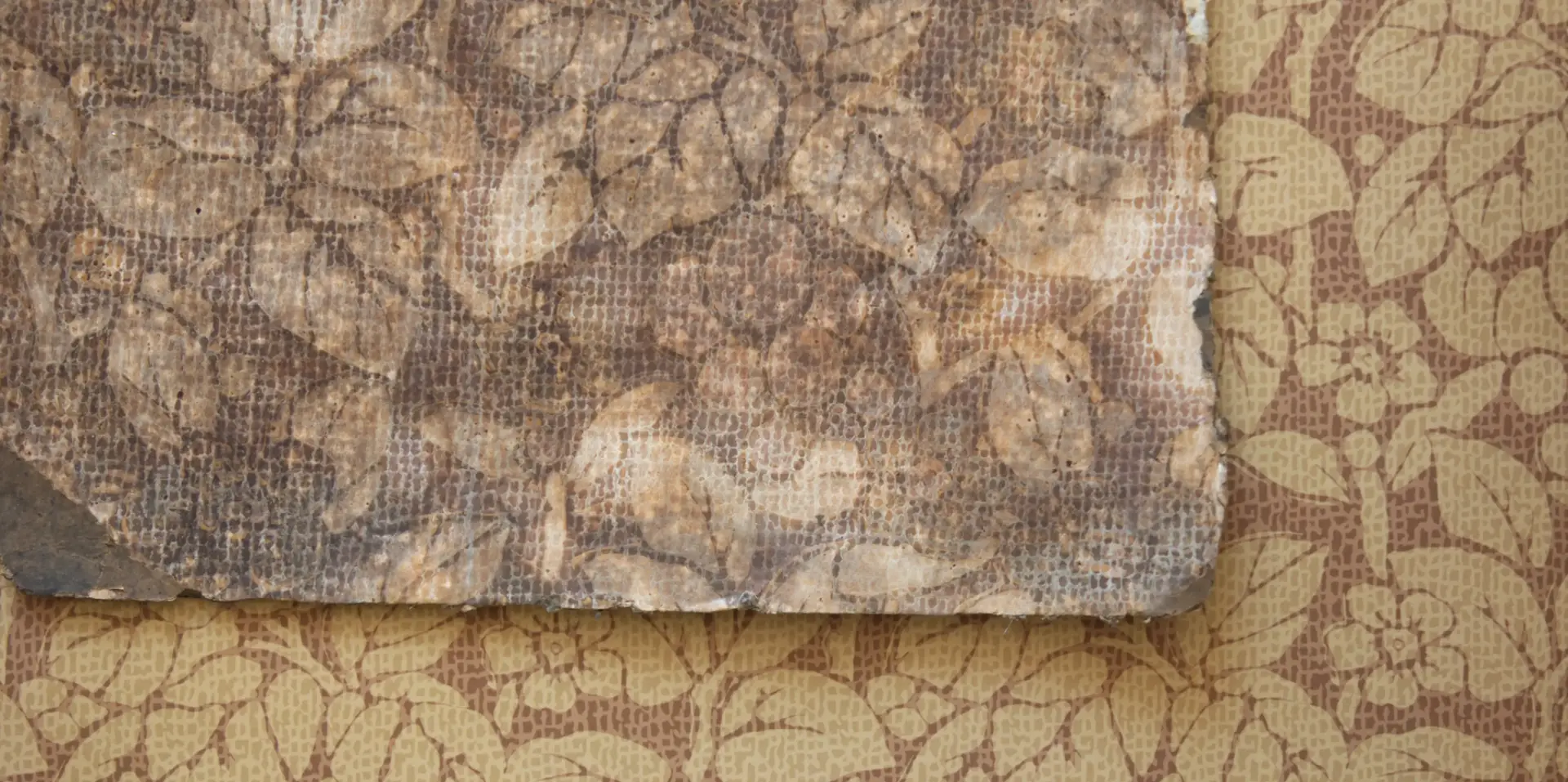
From London to Gangjin Byeongyeongseong: A Design Journey Embedded in a 1944 Wallpaper
1. Texture Analysis: The Illusion of ‘Fabric’ Woven onto Paper The original Japanese colonial-era wallpaper ‘Soonae,’…
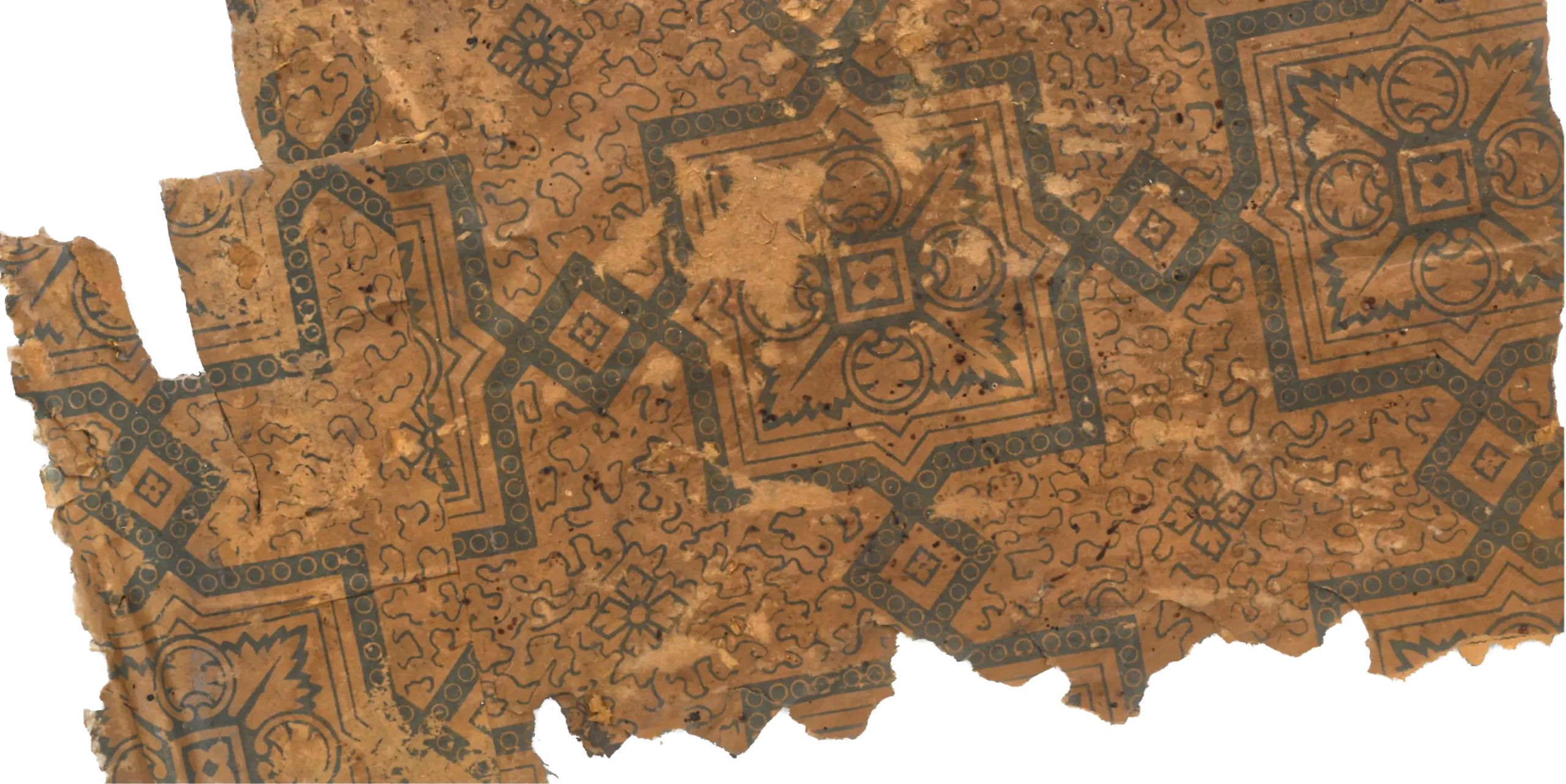
From Eurasia to Joseon: The Byzantine Legacy Transformed
1. The Byzantine Octagram and Its Two Paths The interlocking cross pattern at the heart of this design originates in the mosaic and decorative arts…
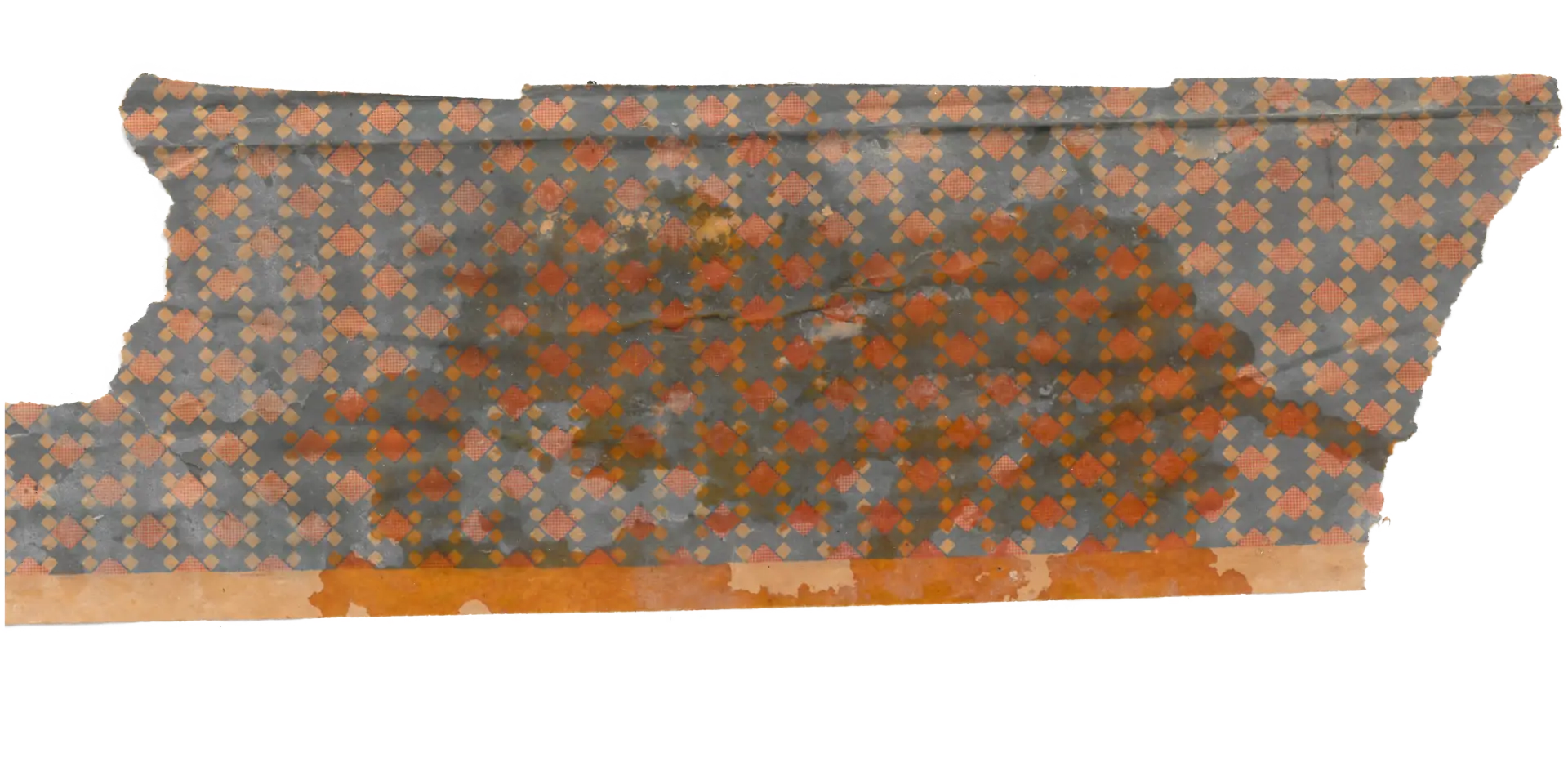
The Versatile Finish That Held the Ondol Room Together: A Study of the Multiple Uses of 1960s Border Wallpaper
1. Visual Density and Simulated Texture: The ‘Paper Fabric’ Created by a Diamond Grid At the center of the pattern sits a large diamond…

The ‘All-Purpose Check’: Border Wallpaper Born from the Wisdom of the Ondol Room
1. The ‘All-Purpose Check’ Gubdoriji: Born from the Living Wisdom of the Ondol Room This humble checkered wallpaper was a true…

Dignity in Brown and Gold: The Aesthetics of the 1970s ‘Western-Style’ Ceiling Wallpaper
1. The Four-Leaf Grid and the Functional Definition of a ‘Ceiling-Only’ Wallpaper This wallpaper exemplifies a type of 1970s Korean…

Beyond the Frame: The Significance of Early Korean Wallpaper as ‘Joseon Deconstructivism’
1. The Economics of Two-Color Printing: A Structural Aesthetic Born from Scarcity The first thing that draws the eye in this wallpaper is its…
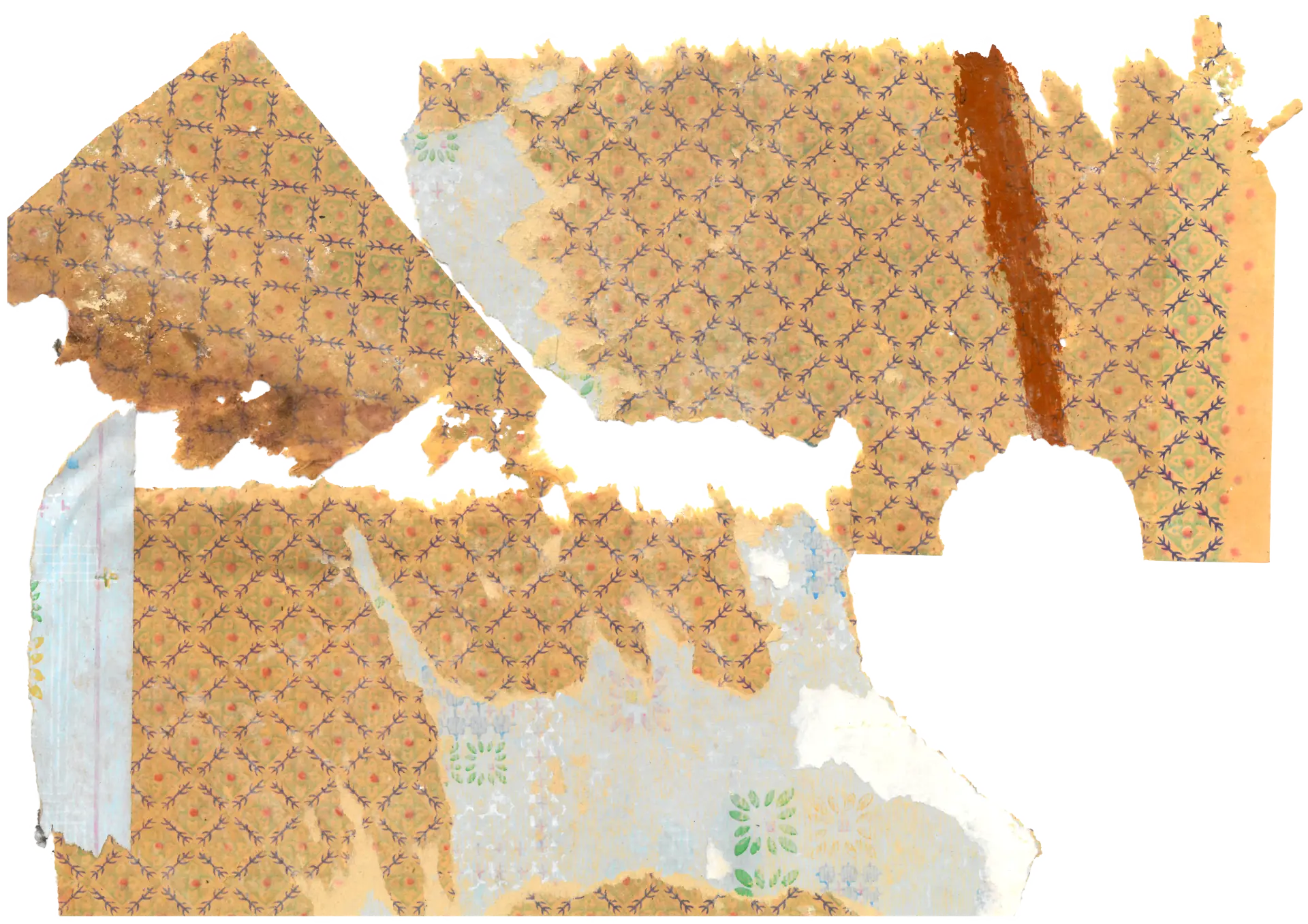
The Flower of India and the Neunghwa-pan of Joseon: Two Bloodlines Running Through the Border Wallpaper
The First Fashion to Conquer the World: From Chintz to the Neunghwa-pan What we casually call a “floral pattern” today — and the…

Fabric Woven from Paper: The Phantom of the Hydrangea
1. Paper Woven into Fabric: The Phantom of the Hydrangea The first thing that registers in this early 1960s wallpaper pattern is its overwhelming…
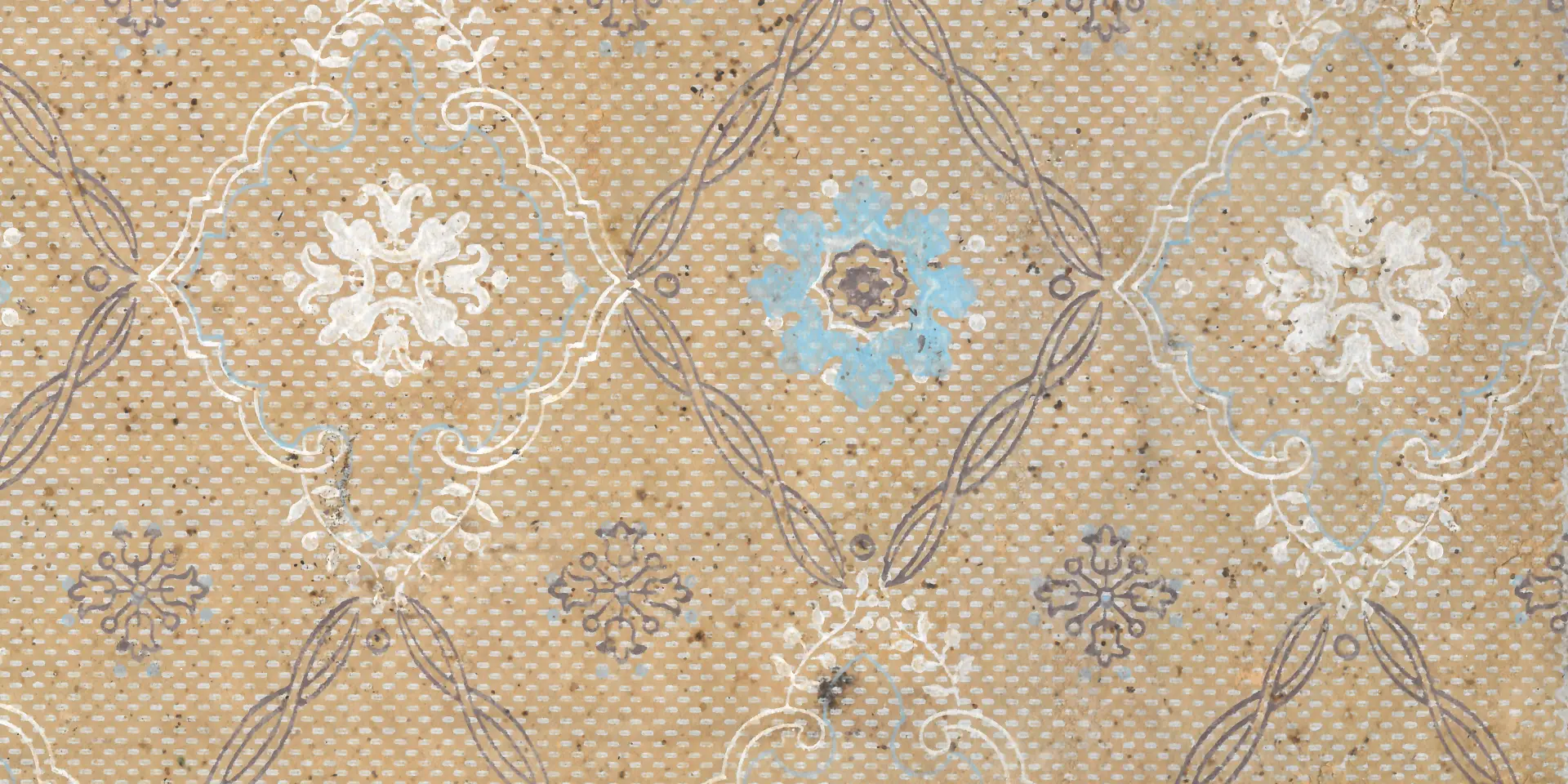
A Net of Lace: The Cartouche Grid and the Longing for a Western Salon
1. A ‘Lace Net’ Pattern Woven from Cartouches This wallpaper begins by printing tiny oval dots densely onto a pulp paper ground,…