
The ‘All-Purpose Check’: Border Wallpaper Born from the Wisdom of the Ondol Room
1. The 'All-Purpose Check' Gubdoriji: Born from the Living Wisdom of the Ondol Room This humble checkered wallpaper was a true all-purpose scrap paper found in virtually every corner of Korean homes in the…

1. The ‘All-Purpose Check’ Gubdoriji: Born from the Living Wisdom of the Ondol Room
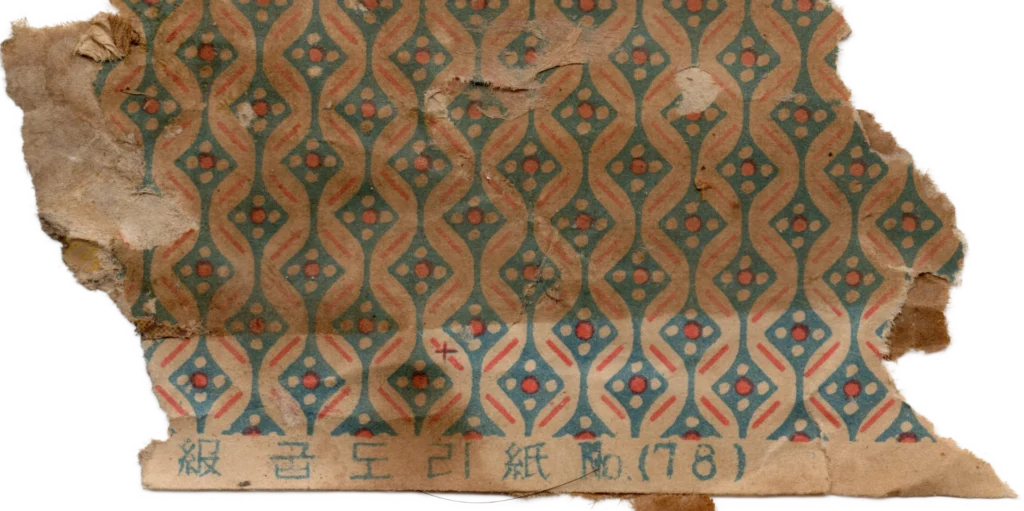
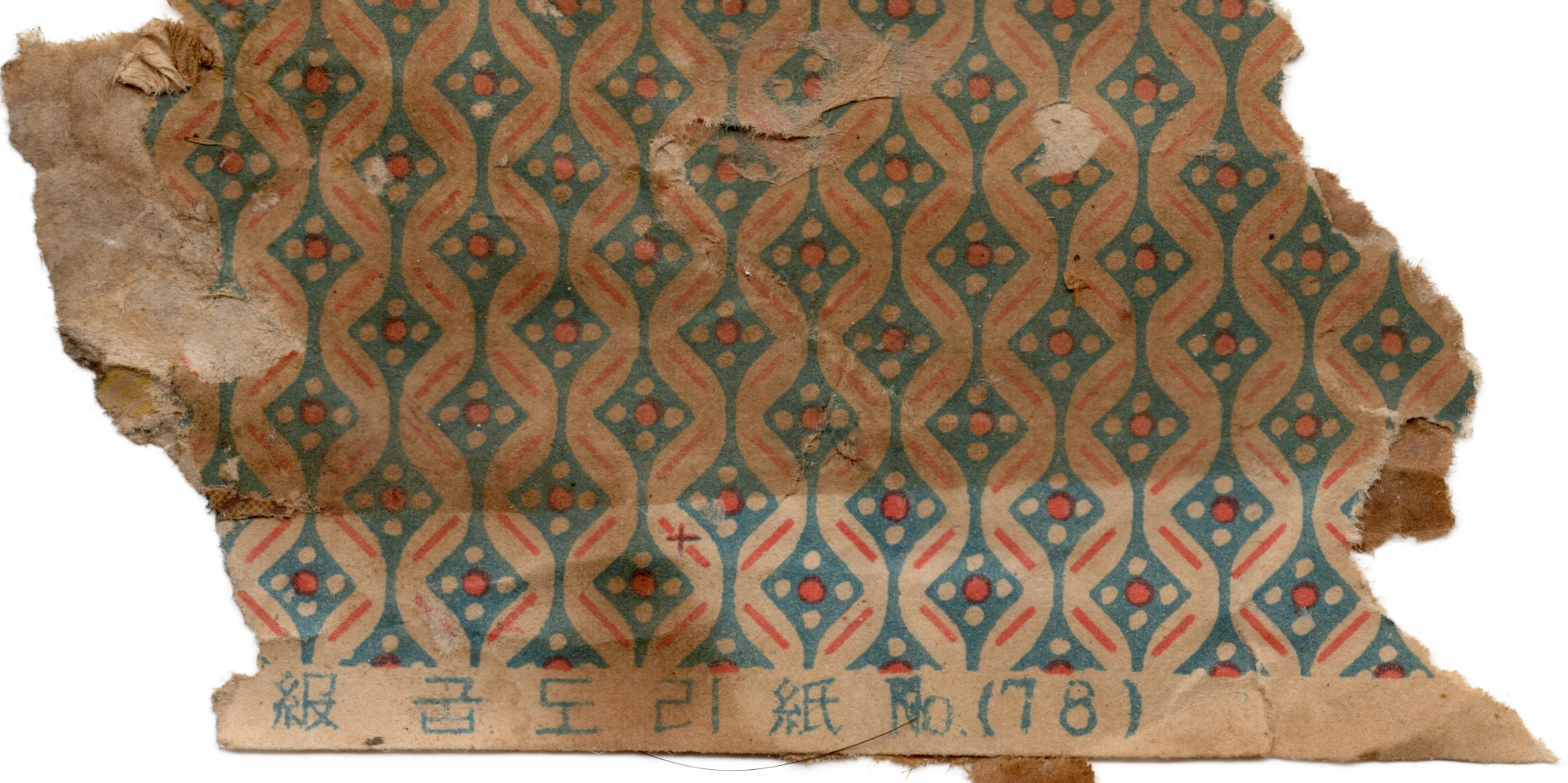
This humble checkered wallpaper was a true all-purpose scrap paper found in virtually every corner of Korean homes in the early 1960s. Its primary use was as gubdoriji — a protective band applied to the lower portion of a room’s walls. Running approximately 30 to 60 centimeters up from the floor, or wrapped like a border around door frames and lintels (inbang), it served the thoroughly practical function of shielding the zones most vulnerable to foot contact, hand grime, and repeated mopping. Because the pattern unit was so small, stains were barely visible, and the design could be joined in any direction without awkwardness — making it exceptionally efficient to install.
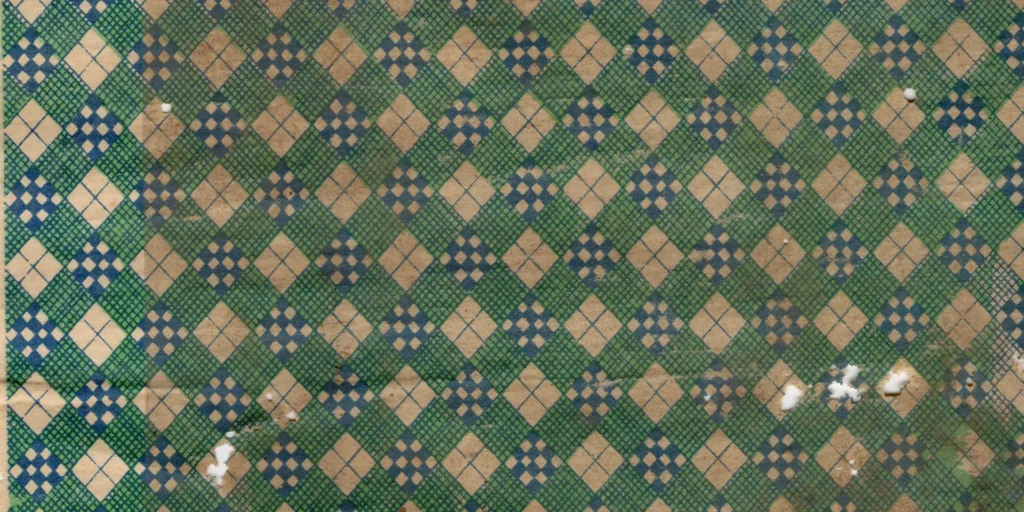
(Source : Collection of Gosate)
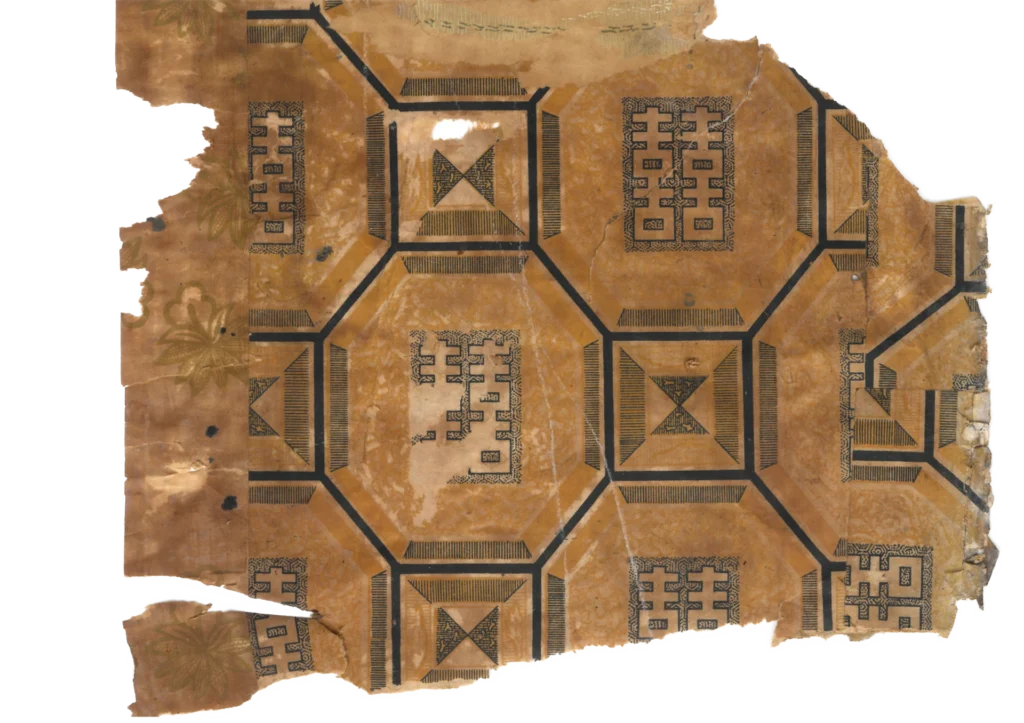
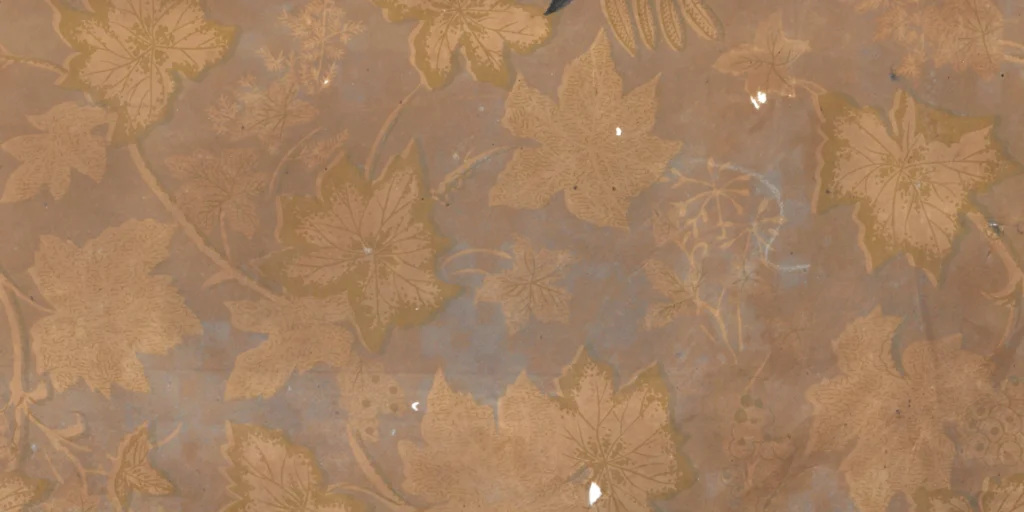
Since it was sold by the sheet rather than the roll, its range of applications was virtually unlimited. It served as a lining paper inside wardrobe and desk drawers, as a decorative paper inside wrapping cloths and boxes, and even as janghwangmounting paper wrapped around picture frames. While border wallpaper in the West was primarily used to decorate the upper portion of a wall or below molding, Korean interior culture — in which entire wall surfaces were wrapped in paper around the central ondol floor — assigned a far more practical role to the lower border wallpaper. This small checkered pattern is a distinctive trace of how the practicality of ondol culture and the customs of pre-modern paper interior decoration were extended and carried forward through the printing technology of the 1960s.
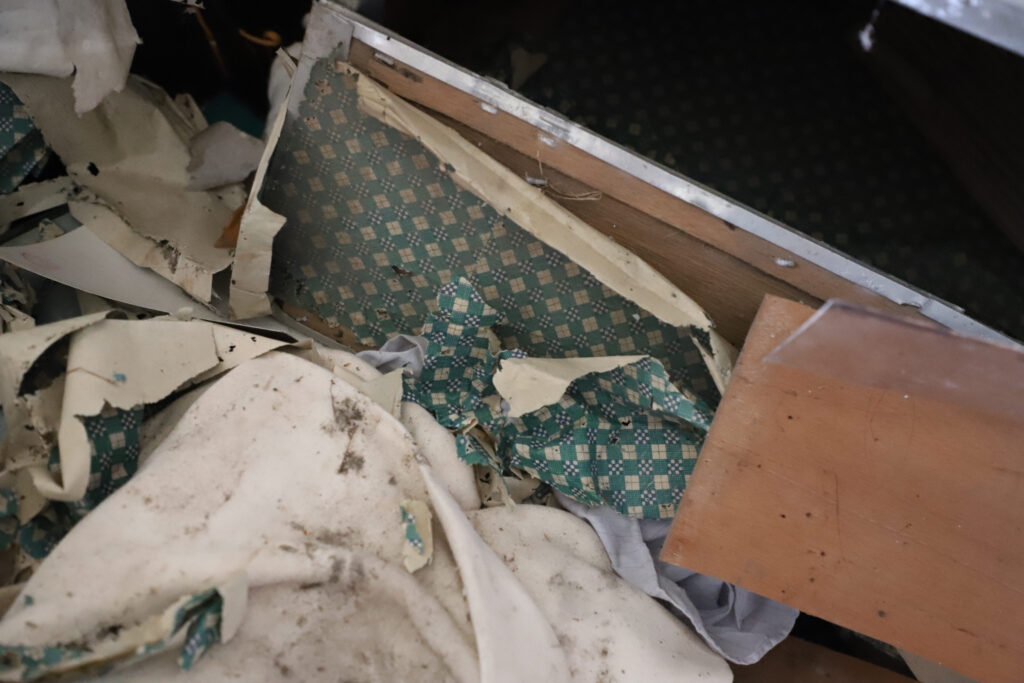
where it had been used to line the interior of furniture.
(Photo by Gosate)
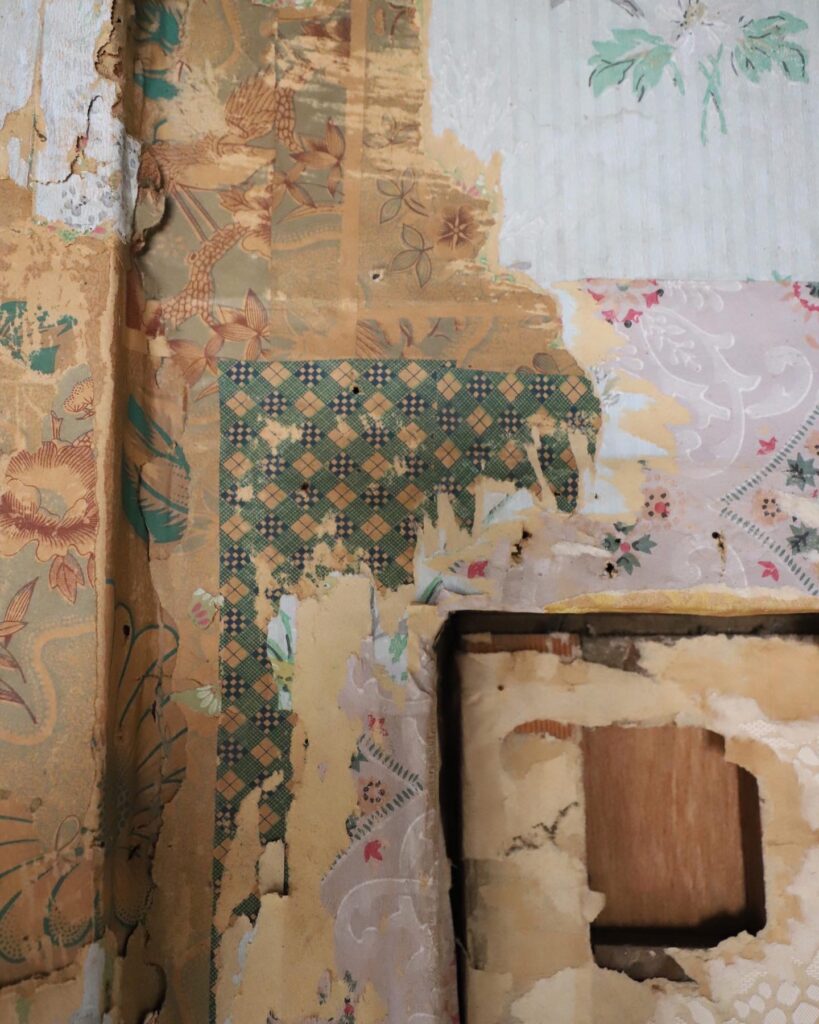
(Photo by Gosate)
2. The Intersection of Western, Japanese, and Joseon Geometric Traditions
In terms of its structural design, this pattern is often interpreted as reflecting the influence of the Western and Japanese diaper (全面, all-over repeat geometry) or komon (小紋) traditions. The approach of taking a single small diamond as a base unit, filling its interior with dots and lines, and repeating it like a grid is unmistakably characteristic of the factory-design templates optimized for modern early 20th-century printing technology. Yet to define this wallpaper simply as an imported “Western check” is to read only half of the cultural DNA this paper carries.
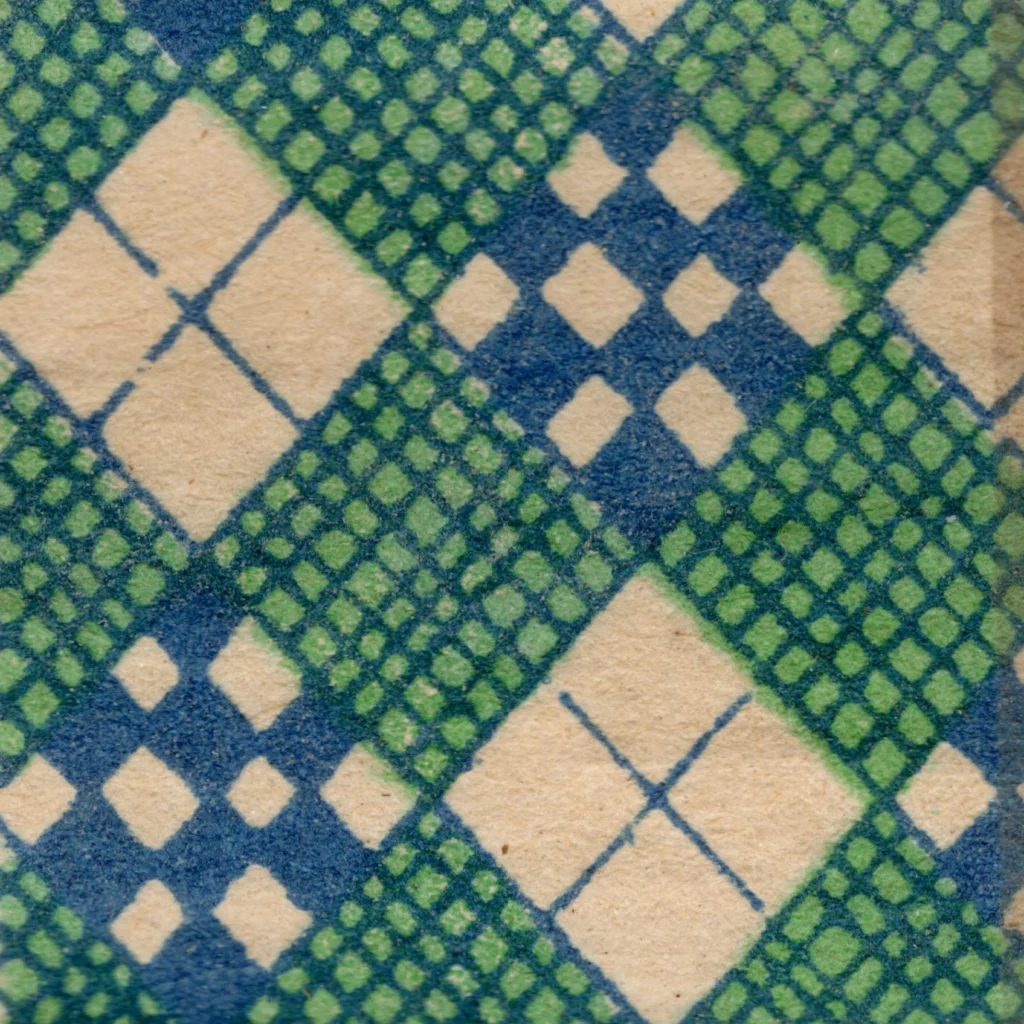
(Source : Collection of Gosate)
Here, we must turn our attention to the neunghwa-pan (菱花板) — Korea’s long tradition of paper woodblock printing. In the Joseon Dynasty, there existed a venerable practice of carving elaborate diamond-shaped neunghwamun (菱花文) or lattice patterns into wooden boards and pressing them onto paper to decorate book covers and wall surfaces. The checkered border wallpaper of the 1960s may appear to follow a Western modern layout, but its visual prototype shares a deep formal kinship with the geometric sensibility of the neunghwamun, which had been a constant presence in Korean visual culture for centuries.
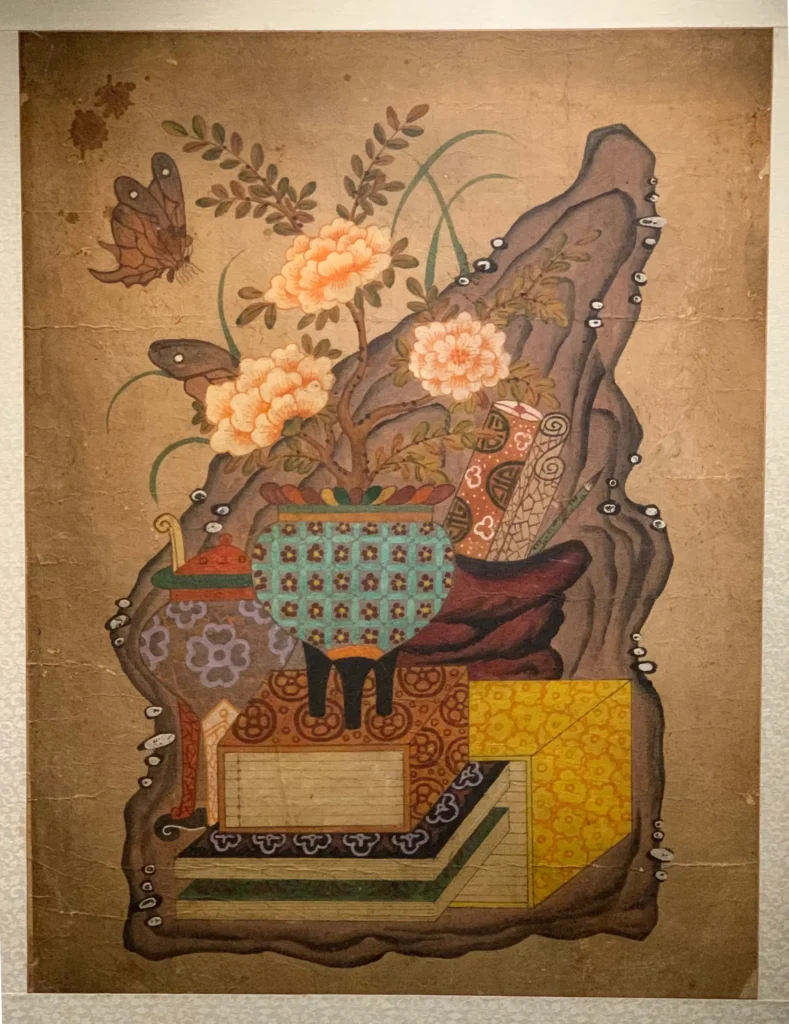
The patterns enveloping the objects in this Chaekgado attest to the rich patterned paper culture of the Joseon period, and also served as a familiar formal foundation as Korea’s 20th-century printing and wallpaper industry absorbed Western design.
“Chaekgado (冊架圖),” Collection of Songam Art Museum. Image source: Wikimedia Commons (Public Domain).
The rhythm of small diamonds — found in the pieced squares of jogakbo (patchwork wrapping cloths), the lattice of changho (paper screen doors), and the decorative hardware of folk crafts — provided an emotional foundation that allowed people of the era to receive this foreign-looking check pattern not as something unfamiliar and Western, but as a familiar variation on a traditional theme.
In the end, this small checkered border wallpaper belongs to the printing technology of the 1960s — but the eye and the hand that selected and arranged it stand on the continuum of a traditional culture shaped by the ondol room, the neunghwa-pan, and folk craft. Within a single humble sheet of paper, there is hidden not only the practicality of Korean interior culture, but the face of an era in which the geometric sensibilities of East and West are strangely and beautifully superimposed.
Copyright © 2026 Gosate Archive.
All Rights Reserved.
- All text and scholarly analysis are the intellectual property of the author.
- All photographs marked “Gosate Collection” or “Photo by Gosate” are the copyright of GOSATE. Reproduction, copying, or distribution without prior consent is strictly prohibited.
- Historical images cited from external sources are subject to their respective copyright holders or public domain provisions.
Inquiries: contact@gosate.kr
More from this era