When Neunghwa Paper Became Wallpaper — Auspicious Signs and Modernity in a 1930s Joseon Newlywed Room
This 1930s silver-pigment wallpaper transforms the embossed logic of Joseon book-cover paper into a modern printed surface for the newlywed room.
The Grammar of Neunghwa Paper
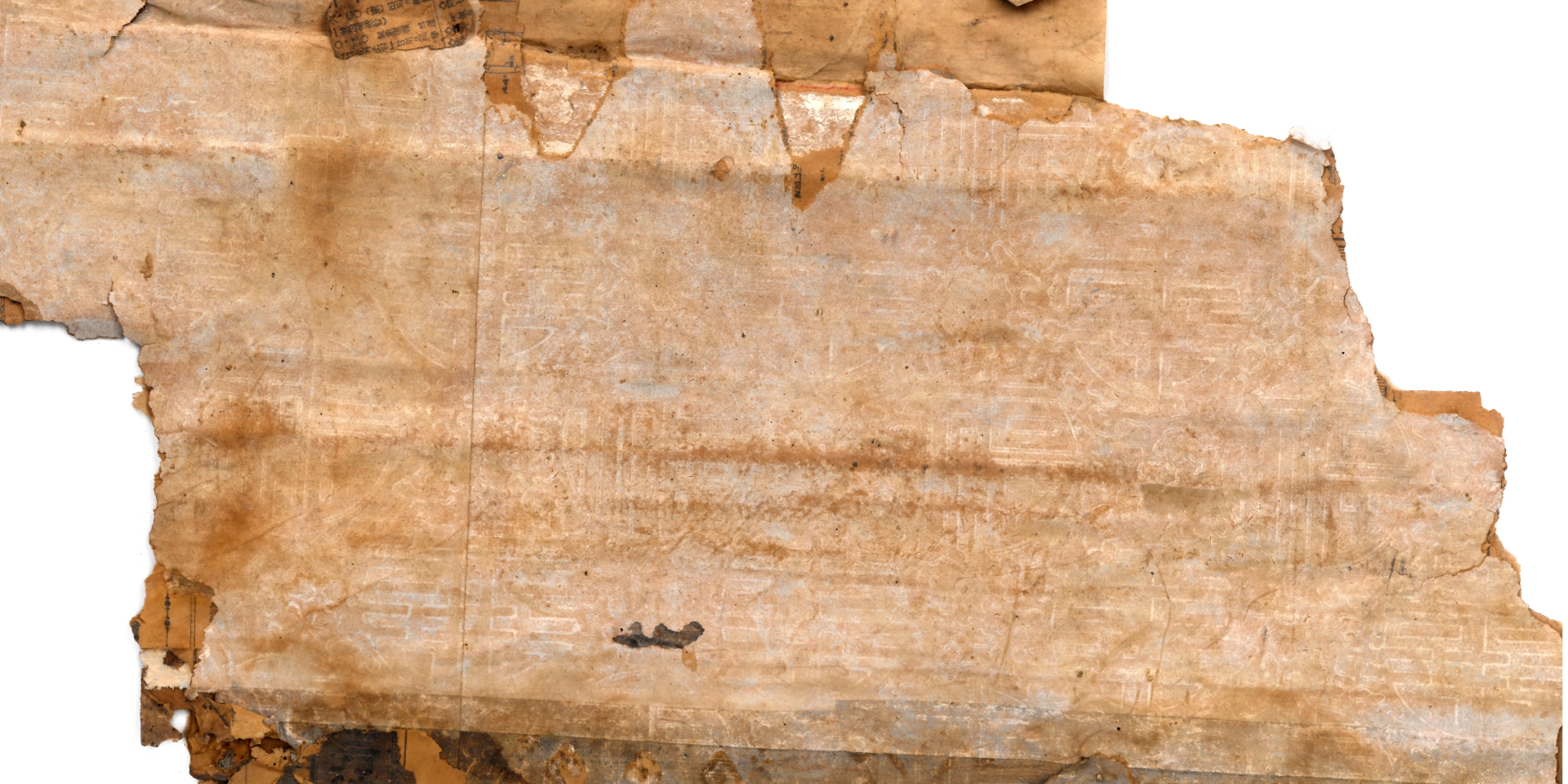
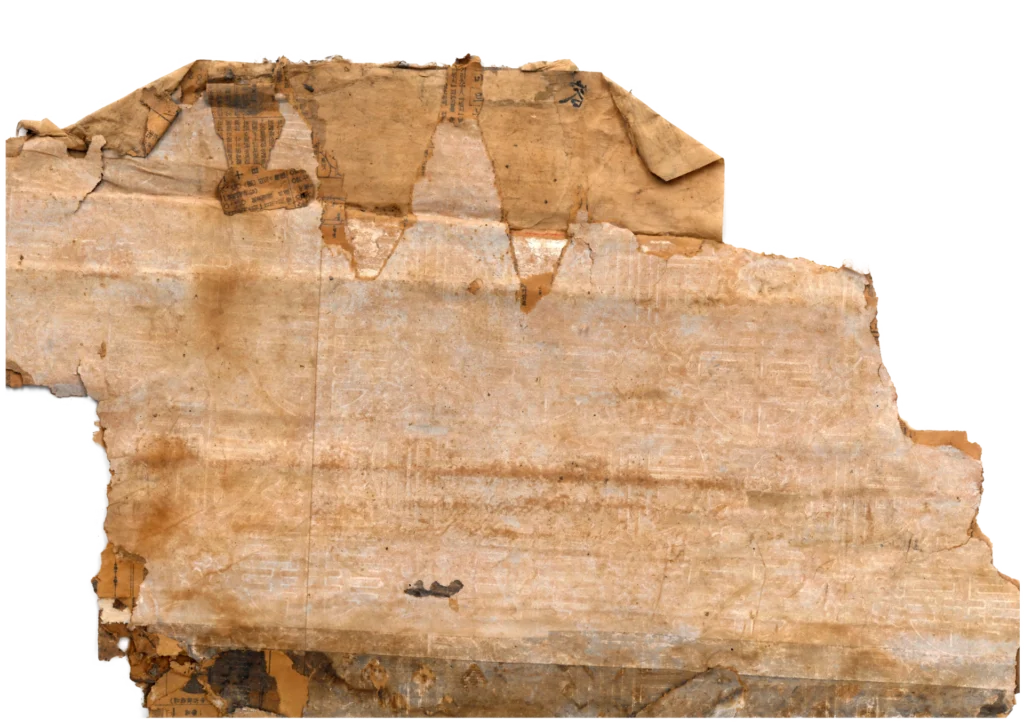
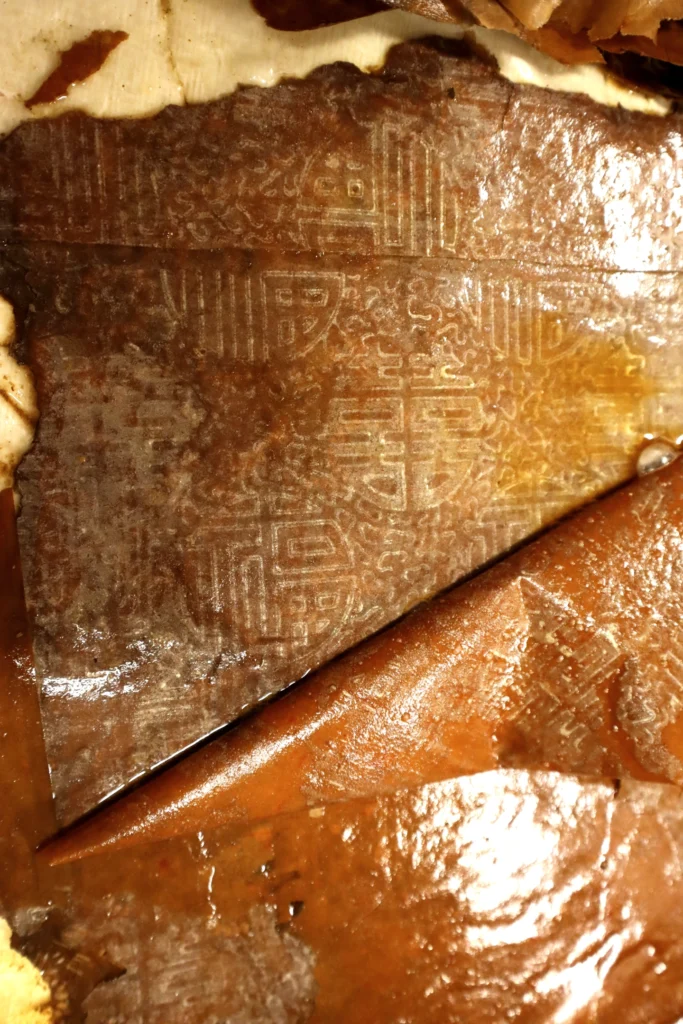
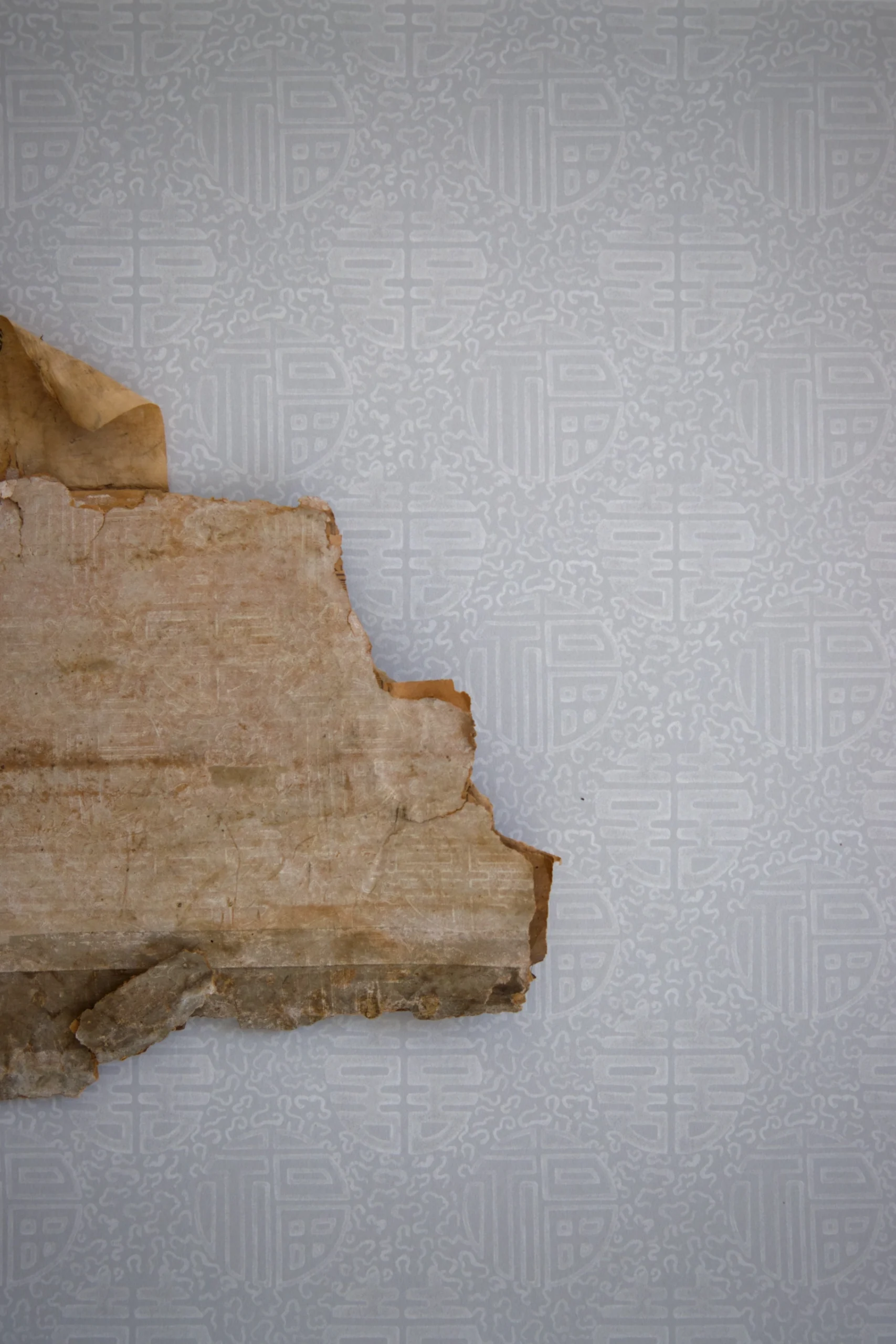
Often found in houses around Incheon and Gyeonggi, this wallpaper is thought to date from the 1930s. Silver pigment covers the entire surface, and the pattern is printed again in silver so that it appears and disappears depending on the angle of light.
The design is closely related to the tradition of neunghwa paper. In Joseon bookbinding, carved wooden boards were pressed into paper to create subtle embossed patterns for book covers. These patterns often included flowers, butterflies, dragons, phoenixes, and auspicious characters.
This wallpaper follows the same visual logic. The characters 囍, Double Happiness, and 福, fortune, appear within round medallions, while the ground is filled with abstract curving patterns. A language once associated with books and ceremonial paper has been transferred to the wall.
Printing Without Strong Color
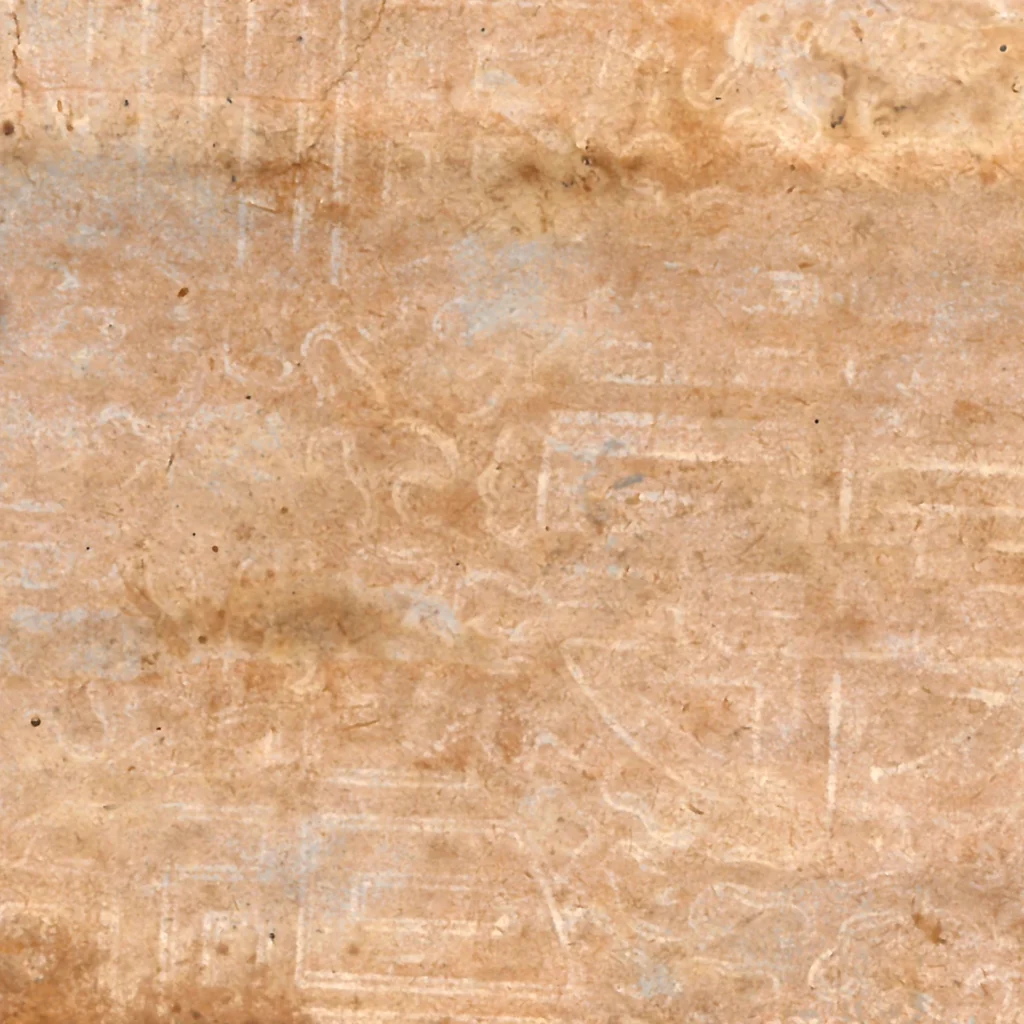
The most compelling aspect is the printing method. Like embossed paper, the design does not rely on strong color contrast. It relies on small differences in silver pigment. From the front the surface can appear almost flat, but from another angle the characters rise quietly into view.
This is not traditional embossing, but the visual effect is similar. Modern printing technology recreates the subtle shimmer and hidden pattern of older paper craft.
A Newlywed Room Between Old and New
The motifs are auspicious, especially suited to a newlywed room: happiness, fortune, and continuity. But the material is industrially printed wallpaper, not hand-pressed book paper.
The result is a distinctly modern vernacular object. It keeps the symbolic world of Joseon domestic life while translating it into the mass-produced surfaces of the early twentieth century.
Silver as a Surface of Memory
The effect of this wallpaper depends on light. From one angle the surface seems almost plain; from another, the auspicious characters and background pattern appear. This shifting visibility recalls older paper and lacquer traditions in which pattern was not always immediately legible.
For a newlywed room, such a surface would have carried both intimacy and ceremony. The signs of happiness and fortune were present, but they did not shout. They emerged quietly as the room changed with light.
From Book Cover to Wall
Neunghwa paper belonged originally to book culture. It protected and decorated book covers, using pressure rather than strong pigment to create pattern. When its visual logic moved onto wallpaper, the scale changed. A motif once held in the hand became part of the room.
This shift from book to wall is a shift from object to environment. The auspicious sign no longer decorated a single precious item; it surrounded domestic life.
Modern Industry, Old Wishes
The wallpaper was made through modern industrial means, but the wishes embedded in it were old: prosperity, marriage, continuity, protection, and good fortune. This coexistence is central to Korean vernacular modernity.
The paper does not replace tradition with modernity. It lets tradition survive by changing medium.
Copyright © 2026 GOSATÉ Archive. All Rights Reserved.
Wallpaper from this research
Beongsu
1930s
GOSATÉ restores forgotten patterns as wallpapers for contemporary spaces through the collection, documentation, and study of historic originals. A portion of every reproduction sale supports the continuing discovery, preservation, and research of Korean wallpaper.
- Colorways
- Original
- Material
- Non-woven / Peel & Stick
- Sizes
- 50×6m / 50×10m / 50×244cm
- Delivery
- Approx. 3–5 days · Free shipping
More from this era