by gosatekorea | Feb 2, 2026 | 1960s, Archive & Research
1. Anatomy of a Design: A Three-Step Tile, an Illusion of Volume The basic unit of this pattern is not a flower but an octagonal tile. Octagons interlocking like a chessboard, with square blocks filling the gaps between them — the structure evokes linoleum flooring or...

by gosatekorea | Feb 2, 2026 | 1960s, Archive & Research
1. Anatomy of a Design: Dancing Vines and an Orange Rhythm The first sensation this wallpaper delivers is the unbroken flow of vines and leaves filling every inch of the surface. The scroll motif — C- and S-curves crossing and interweaving — follows a decorative...
by gosatekorea | Feb 2, 2026 | 1960s, Archive & Research
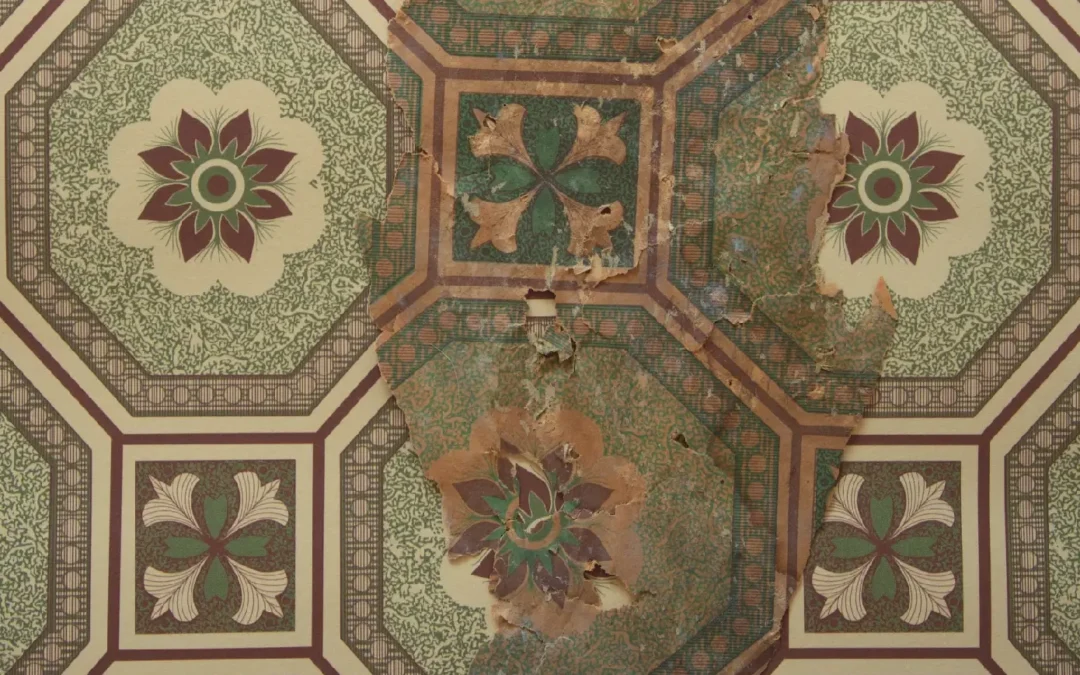
1. Anatomy of a Design: Soft Tiles Stacked on Paper Original and GOSATE reproduction of early 1960s ceiling wallpaper discovered in a 1945 historic home in Heunghwang-ri, Hwado-myeon, Ganghwa Island(Photo by Gosate 2025) At first glance this ceiling paper appears to...
by gosatekorea | Feb 2, 2026 | 1960s, Archive & Research
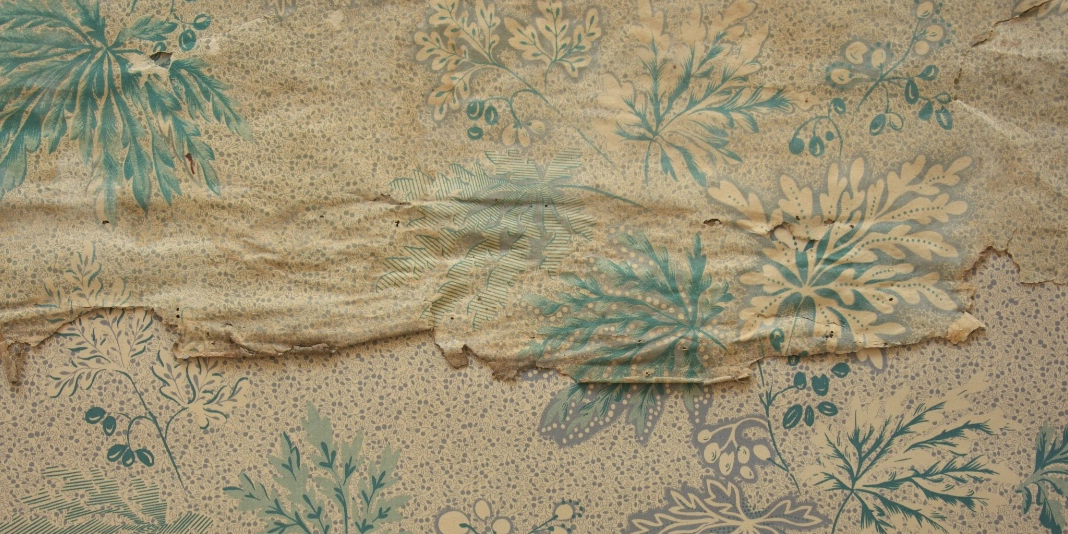
1. The Spirit of the Age: Plants Made Simple After the Second World War, interior decoration in Europe and North America moved in a new direction. The realistic roses, lilies, and grape clusters that had been the legacy of the Victorian era gradually receded, replaced...
by gosatekorea | Feb 2, 2026 | 1960s, Archive & Research
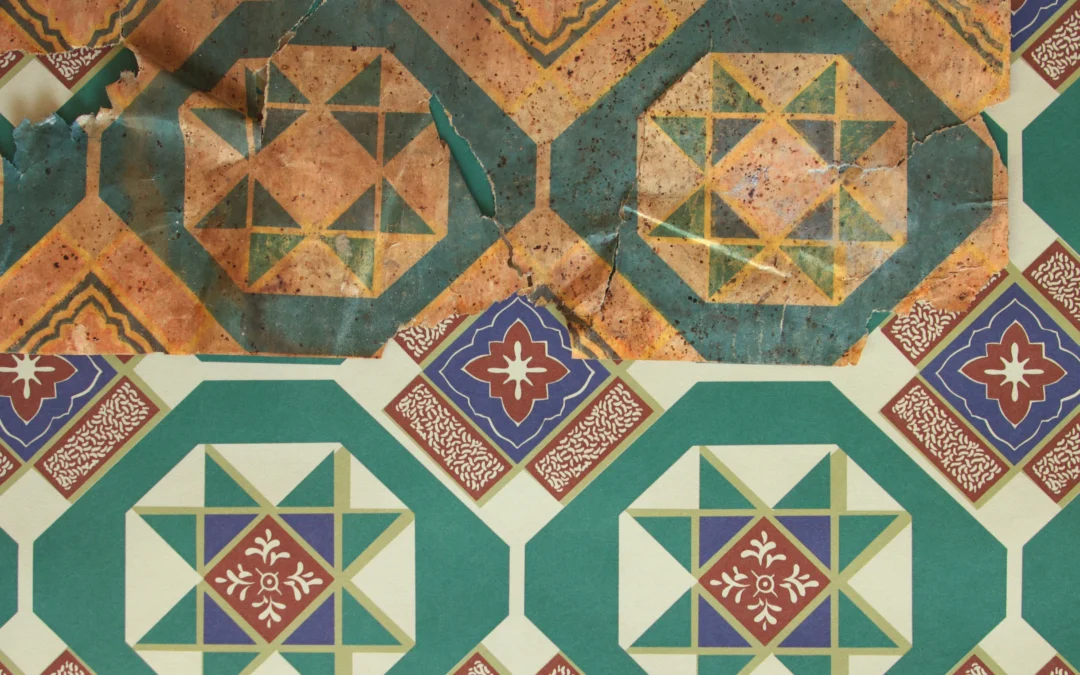
1. The Origin of the Design: From Floor to Ceiling, a Space Inverted At first encounter, this ceiling paper might call to mind the front panel of a traditional mother-of-pearl lacquer cabinet, or the dancheong pigment ornament of a Buddhist temple. But strip away...

by gosatekorea | Feb 2, 2026 | 1960s, Archive & Research
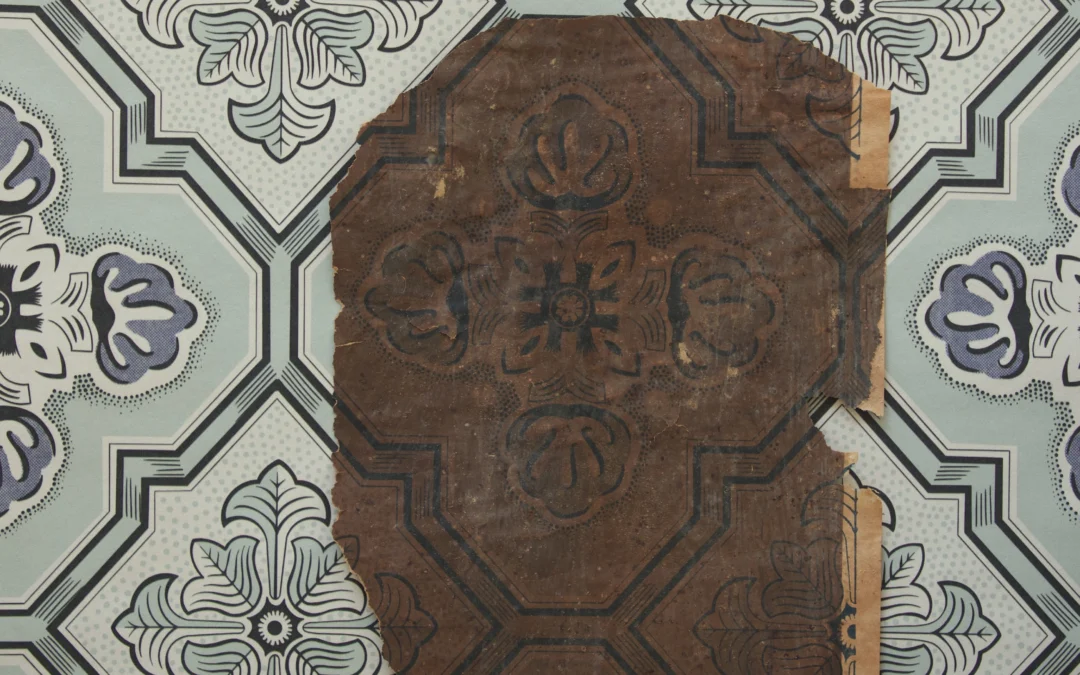
1. A Design Lineage: From Cathedral to Living Room The defining motif of this wallpaper is the quatrefoil — a four-lobed form like a gently pressed four-leaf clover. Within this frame, eight petals radiate outward, surrounded by small dots and lines. These units are...